 Employer healthcare costs are expected to rise 8.2% in 2027, according to Marsh Inc.’s latest national survey—the fifth straight year of increases and the largest year-over-year jump since 2003, when Marsh forecast a 13.9% increase.
A recent PlanAdviser article by Edward Rueda breaks down the survey findings, which are based on responses from more than 1,800 U.S. employers. Without cost-reduction measures, employers reported that next year’s health benefit costs would climb an average of 11%. That far outpaces the current U.S. inflation rate of 3.4%.
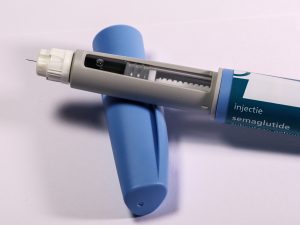
The biggest driver? GLP-1 medications for weight management. Marsh estimates that rising GLP-1 utilization alone accounts for a full percentage point of the overall cost growth. “While the market for these medications is evolving in ways that could ultimately result in lower costs, some employers needing immediate cost relief chose to drop this coverage for next year,” Sunit Patel, Marsh’s U.S. chief actuary for health and benefits, told PlanAdviser.
Other factors pushing costs higher include AI-powered billing software that’s led to more claims being filed, ongoing health-system consolidation, and lower government funding and reimbursements in public health programs.
Most surveyed employers (59%) said they’re planning cost-reduction efforts for 2027, including raising deductibles. “Few organizations can absorb health cost increases that outpace inflation without making difficult financial decisions,” said Simon Camaj, Marsh’s U.S. health and benefits leader.
The Marsh estimate aligns with other recent forecasts. According to PlanAdviser, the Business Group on Health projects 9.2%, Aon 9.5%, the International Foundation of Employee Benefit Plans 10%, and WTW 11.1%—all before mitigation efforts.
Rising healthcare costs directly affect retirement readiness. When employers absorb higher premiums, there’s less room in the budget for retirement plan contributions or matching enhancements. When employees shoulder more of the burden through higher deductibles or premium sharing, that money doesn’t go into the 401(k). Either way, the squeeze on healthcare tends to ripple outward, especially for workers whose finances are already stretched thin.