 Though many defined contribution (DC) providers and advisors have online tools to help investors save for retirement, the SEC recently made some free financial planning tools available along with a database of advisors. For those plan sponsors without access to tools like this, and even some that do, the SEC website is a great resource.
The SEC’s free financial planning tools include:
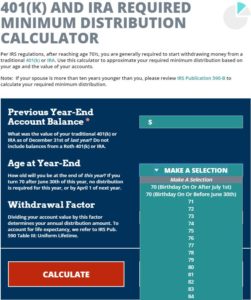
- 401(k) and IRA Required Minimum Distribution Calculator
- Determine how much you are required by IRS regulations to withdraw from your retirement fund at various ages.
- ·Compound Interest Calculator and Savings Goal Calculator
- See how your invested money can grow over time through the power of compound interest, or use the savings goal calculator to find out how much you need save to reach a specific amount.
- · Social Security Retirement Estimator
- Get a personalized Social Security benefit estimate to help you plan for retirement. Note that you must meet certain requirements, set by the Social Security Administration, to utilize this estimator.
- · Retirement Ballpark Estimator
- Determine approximately how much you need to save in order to live comfortably in retirement
- Mutual Fund Analyzer
- See how fees and expenses associated with a variety of funds can impact the value of you as an investor.
- 529 Expense Analyzer
- Assess how fees and expenses associated with various 529 college savings plan can impact the return you receive when invested in a plan.
- Check Out Your Investment Professional
- It’s a great first step toward protecting your money. Learn more about an investment professional’s background, registration status, and more.
Though the DOL has been focused on their new conflict of interest rule, they have been working on rules that would require DC service providers to convert participant account balances into something more meaningful for retirement savers like monthly income. The issue is that younger investors with smaller balances might be discouraged whereas reasonable growth and contribution assumptions would paint a more realistic picture. The question of which assumptions to use has been hotly debated with some suggesting that investors use tools themselves like those available from the SEC to estimate how much they might receive at retirement.