 Though more people are employed, in the “2016 Workplace Benefits Report – Empowering and encouraging employees to plan for their financial futures” by Bank of America Merrill Lynch, financial insecurity among workers has risen higher than two years ago. What’s driving the concern and what can employers do about it?
First the numbers:
- Only 59% of the 1200 workers responding to the BoA survey “strongly agreed” that they can pay rent or their mortgage in 2015 down from 77% in 2013;
- 40% believe they have money for basic necessities compared with 57% two years ago; and
- 38% strongly agree that they can pay healthcare costs v. 48% in 2013.
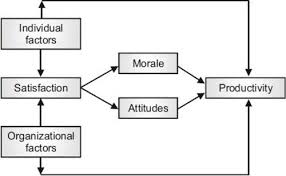
Those workers indicating significant financial insecurity, which leads to lower productivity, rose from 50% in 2013 to 60% in 2015. Planning helps – 71% of workers that feel financially secure have a retirement plan compared to 7% that don’t feel secure.
What’s causing the problem? Though more people are working, wages have been stagnant. Disposable income is not keeping pace with expenses. In addition, healthcare costs are rising precipitously. As a result, participation in HSAs rose from 38% in 2013 to 54% in 2015 as more companies move to high deductible plans.
More and more workers will be relying on their company’s retirement plan with two-thirds indicating that the plan will be the largest or second largest source of retirement income. So it’s critically important for employers to get involved.
Incentives to participate in financial wellness programs are effective and workers favor do one on one meetings with financial advisors as well as online tools. But workers have concerns about sharing personal information with their employer.
Just as they do for healthcare and other benefits, more workers will rely on their employer to help with financial education and wellness. Not only will people be more productive and less likely to change jobs, when it comes time, they will have enough money to retire saving the company lots of money.